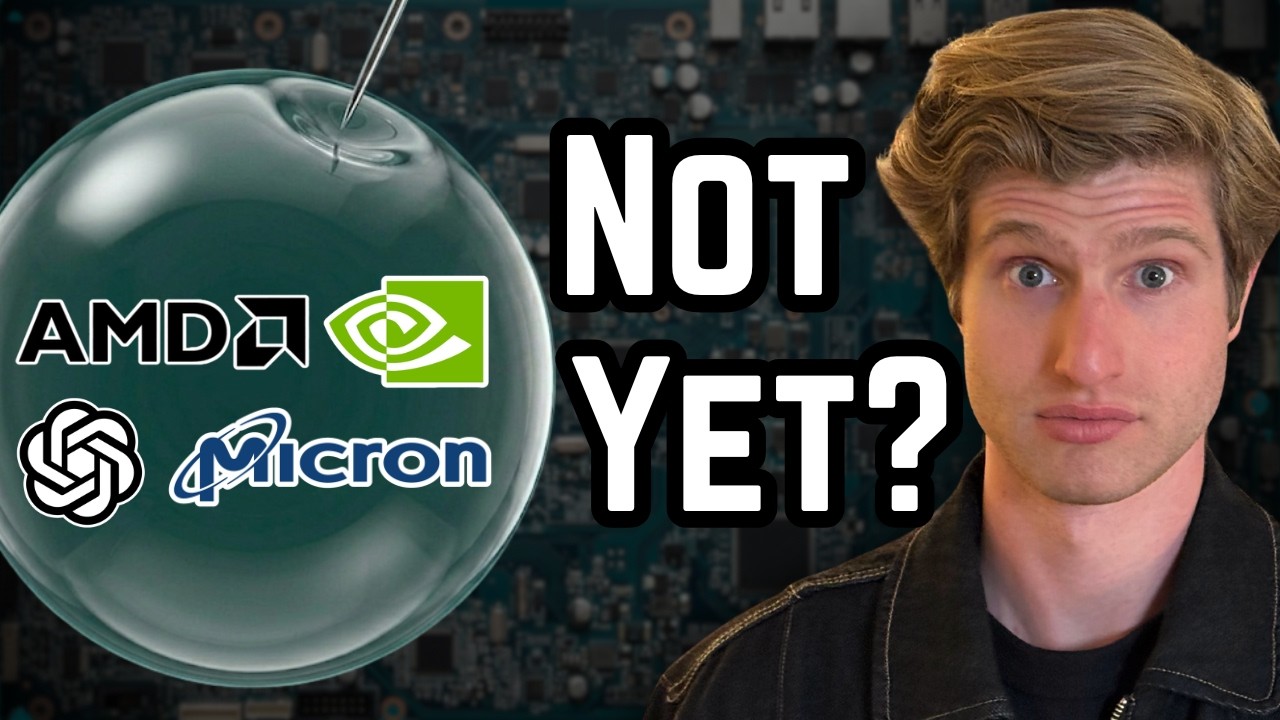
If Stanley Druckenmiller is the hunter of policy errors, Paul Tudor Jones is the master of market psychology. In this latest briefing, the man who famously called the 1987 crash is sounding a different kind of alarm. He’s not calling for an immediate collapse—he’s calling for a speculative frenzy so violent it mirrors the terminal phase of the 1999 Dot-com bubble.
But there’s a catch. In 1999, we had a budget surplus. Today, we are staring down a 6% budget deficit and a debt-to-GDP ratio projected to hit 127% by 2026. The fuse is shorter this time.
The “Happy Feet” Strategy
Jones describes the current environment as a “fiscal-monetary cocktail” of aggressive rate cuts and reckless government spending. While this is jet fuel for risk assets in the short term, it creates a “blow-off top” scenario. In PTJ’s world, you don’t exit early and miss the gains, but you must have “happy feet”—the agility to jump off the train the moment the music stops.
This is where understanding Equity Mechanics becomes survival. When the blow-off happens, the exit door will be small, and only those who understand the structural plumbing of their positions will get out intact.
The Great Rotation: Tech to Hard Assets
The most telling signal isn’t what PTJ says; it’s what he’s doing. Recent filings show he has been trimming “Magnificent Seven” staples like Alphabet and Apple to pile into Gold. With gold crossing the $5,000 mark for the first time in history, the move into hard assets is no longer a “doomsday” hedge—it’s a core tactical play.
The thesis is simple: when a civilization can’t pay its debts, it inflates them away. We’ve seen this script before in The Long View. Whether it’s 1920s Weimar or 1970s America, the end game of fiscal dominance is always the same: a debasement of the currency and a surge in “real” money.
Beyond the AI Mania
PTJ acknowledges the AI disruption, but he views the current concentration risk as a systemic vulnerability. While billions pour into the sector, the smart money is looking for the “fastest horses” that haven’t been exhausted. We are tracking these specific shifts in our Finance & Tech intelligence, focusing on the infrastructure that survives the bubble burst.
Analyst Note: PTJ isn’t fighting the trend; he’s riding it until the cliff edge. If you’re long the Nasdaq right now, you aren’t an investor—you’re a momentum surfer. Make sure you know where the beach ends and the rocks begin. This is The Frequency.