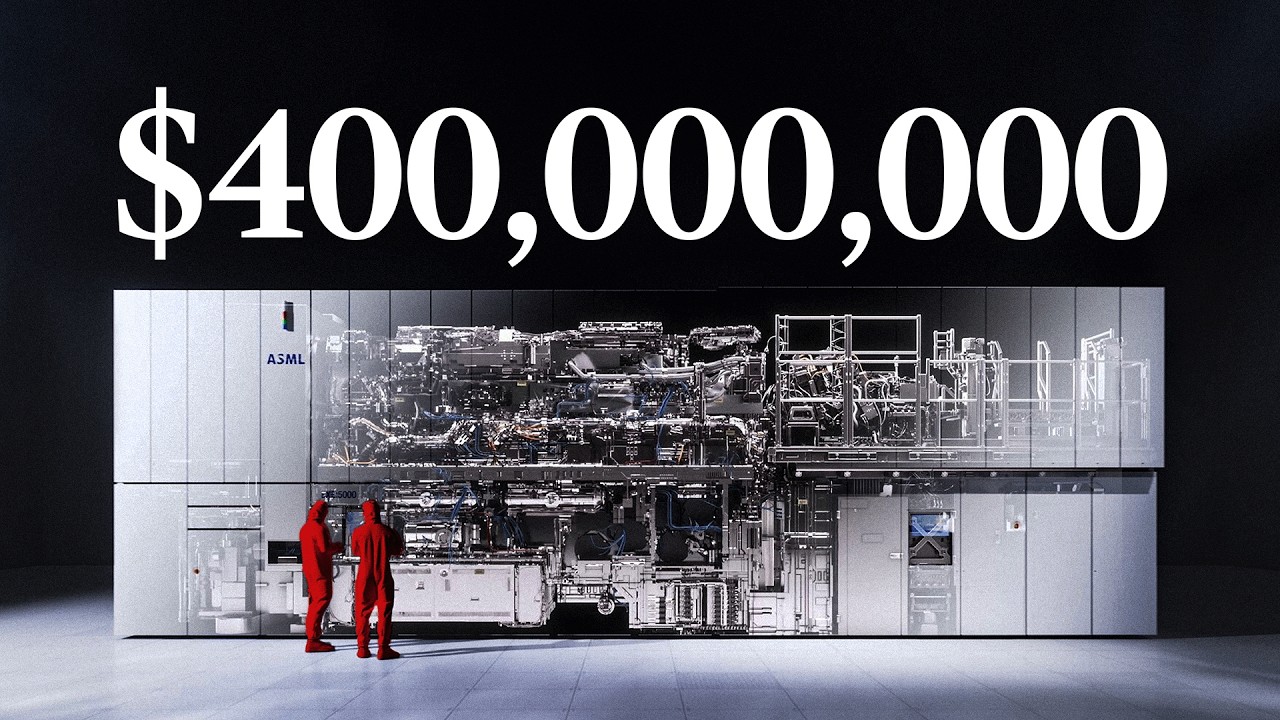
The video above argues this isn’t a bubble yet — that the difference between 2026 and 1999 is that today’s spenders have real revenue behind the capex. That’s a fair argument, and an incomplete one until it’s tested against the one number that doesn’t lie: free cash flow.
The Scoreboard, One Hyperscaler at a Time
Microsoft is the only member of the group still comfortably free-cash-flow positive, funding roughly $175 billion in FY2026 capex while Azure crosses $100 billion in annualized revenue, still growing 43%. Investing.com’s read of the numbers puts it plainly: Microsoft alone is paying for its buildout out of current cash generation. Amazon is not — negative $7.6 billion in trailing free cash flow despite AWS growing 36.7%, with capex guidance raised to $220 billion. Meta is barely positive, cash reserves down 91% year-over-year, and has nearly doubled its AI bill to $145 billion. Alphabet joined the negative column this quarter for the first time since its 2004 IPO, burning $5.9 billion.
The Aggregate Number That Should Worry Bulls
Individually, each company can tell a growth story that explains its own number. In aggregate, the trend is harder to wave away: Bank of America projects combined hyperscaler free cash flow swinging from positive $180 billion in 2025 to negative $64 billion in 2026, with combined capex near $860 billion this year and approaching $1.2 trillion by 2027. That’s not a bubble by definition — real revenue is funding a large share of it — but it is a group of companies collectively spending faster than they generate cash, at a scale with no precedent in corporate history.
What Would Actually Settle the Debate
The bubble question won’t be settled by a single quarter’s cash flow statement — it will be settled by whether cloud and AI revenue growth keeps outrunning the capex ramp. Alphabet’s own backlog, which Third Pole traced through its RPO mechanics, is one data point suggesting demand is real rather than speculative. Cloud backlog across the industry has reportedly crossed $2.3 trillion. Whether the cash to fund it keeps coming from operations, or increasingly from debt, is the metric worth tracking every quarter from here.
Analyst Note: Real revenue growth doesn’t make negative free cash flow risk-free — it just changes what kind of risk it is, from demand risk to financing risk. Watch the debt issuance, not just the backlog. This is The Frequency.